

Local search has become one of the most powerful traffic sources for businesses that serve specific geographic areas. When people search for services near them, Google prioritizes local results, Google Maps listings, and nearby businesses that best match their intent. If your brand does not appear prominently, you miss opportunities that are already high in buying intent.
This guide explains how to improve local search visibility by addressing common challenges, fixing foundational issues, and aligning your online presence with what Google’s local algorithm expects today. You will also learn why local rankings drop, what prevents profiles from ranking, and how to resolve local SEO ranking problems effectively.
Table of Contents
What Local Search Visibility Really Means
Local search visibility refers to how easily your business appears when users perform location-based searches. These searches typically include phrases like “near me,” city names, or service-based queries with local intent.
Local visibility is not limited to traditional organic results. It includes:
- Google Maps listings
- Local Pack results
- Location-based organic pages
- Business profile panels
When your business is visible across these areas, users find you faster, trust you more, and engage with your brand before competitors.
Why Local Search Visibility Matters More Than Ever?
Local search has evolved beyond basic directory listings. Today, Google evaluates multiple signals to determine which businesses deserve top positions. If your local presence lacks clarity, relevance, or consistency, rankings suffer even if your services are strong.
Improving visibility ensures that:
- You reach users actively looking for solutions
- Your business appears credible and trustworthy
- You capture leads before competitors do
This is why understanding how to improve local search visibility is no longer optional. It is a core growth strategy.
Common Local SEO Ranking Problems That Hold Businesses Back
Many businesses struggle with the same local SEO ranking problems without realizing it. These issues often go unnoticed because rankings drop gradually rather than overnight.
Some of the most frequent challenges include:
- Inconsistent business information across platforms
- Weak location relevance signals
- Under-optimized local content
- Poor user engagement metrics
- Limited authority within the local ecosystem
When these issues stack up, Google struggles to understand where your business belongs in local results.
Why Google Business Profile Not Ranking Despite Optimization?
One of the most common questions businesses ask is why Google Business Profile not ranking even after basic setup. The answer often lies in incomplete optimization and weak contextual signals.
Common reasons include:
- Incorrect primary business category
- Lack of service and location alignment
- Minimal profile activity
- Poor keyword relevance
- Low engagement from users
Your business profile is not just a listing. It is a ranking asset that must be actively maintained to stay competitive.
Google Maps Ranking Factors Explained Clearly
Understanding how Google evaluates local results helps you make better optimization decisions. Below is a simplified explanation of how Google Maps ranking factors work.
Proximity
Google prioritizes businesses closest to the searcher. While you cannot control physical distance, you can strengthen other factors to compete effectively.
Relevance
Relevance measures how closely your business matches the search query. This includes categories, services, content, and profile details.
Prominence
Prominence reflects how well-known and trusted your business appears online. It is influenced by content quality, consistency, authority signals, and overall digital presence.
When these three factors align, your chances of ranking in Google Maps improve significantly.
Local SEO Mistakes Small Businesses Make Frequently
Many ranking issues are caused by avoidable errors. Some local SEO mistakes small businesses make continue to limit visibility even after years of effort.
Common mistakes include:
- Using generic content without local context
- Ignoring mobile usability
- Failing to update business details regularly
- Overlooking user intent in content creation
- Treating local SEO as a one-time task
Avoiding these mistakes creates a strong foundation for sustainable local rankings.
How to Improve Local Search Visibility Step by Step?
Improving local visibility requires consistency rather than shortcuts. Below are proven steps that strengthen your local presence over time.
Optimize Your Google Business Profile for Local Intent
Your profile should clearly reflect what you do and where you operate. This includes accurate categories, service descriptions, and business details that align with local search behavior.
Create Location-Focused Website Content
Your website should support your local presence by clearly targeting geographic areas. Pages optimized for specific locations help Google connect your business with nearby users.
Strengthen On-Page Local SEO Signals
Use local keywords naturally in titles, headings, content, and internal links. Avoid stuffing terms and focus on clarity and relevance instead.
Improve Technical Performance
Technical issues can silently hurt rankings. Ensure your website loads quickly, works well on mobile devices, and follows best technical practices.
These steps together form a practical approach to how to improve local search visibility without relying on temporary tactics.
The Role of Local Citations and Business Mentions
Citations help Google validate your business information across the web. When your name, address, and phone number remain consistent, trust improves.
Inconsistent citations, however, confuse search engines and reduce confidence. Regularly auditing and maintaining accurate listings strengthens your local authority and visibility.
How User Engagement Influences Local Rankings?
User behavior sends strong signals to Google. Actions such as profile views, clicks, calls, and direction requests indicate relevance and trust.
Higher engagement suggests that users find your business useful, which supports better rankings. Improving content clarity and user experience directly impacts these signals.
Measuring Progress and Local SEO Performance
Tracking local performance ensures your efforts stay aligned with results. Focus on indicators such as:
- Visibility in Maps and local results
- User engagement trends
- Keyword position improvements
- Website traffic from local searches
Consistent tracking allows you to identify what works and where improvements are needed.
How Long It Takes to See Local SEO Results?
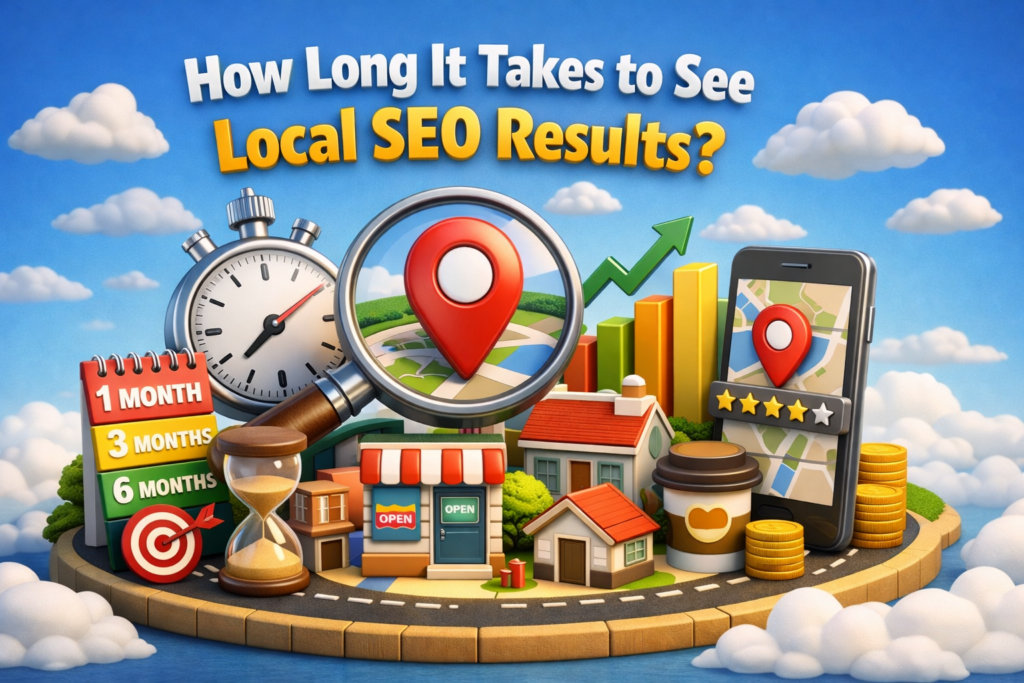
Local SEO improvements are gradual. While some changes show results within weeks, sustainable visibility often takes months of consistent optimization.
The timeline depends on competition, existing authority, and how effectively issues are addressed. Patience and consistency are key to long-term success.
Final Thoughts
Local visibility is built through clarity, relevance, and trust. When your business communicates clearly with both users and search engines, rankings follow naturally.
By addressing local SEO ranking problems, understanding why Google Business Profile not ranking occurs, avoiding common mistakes, and applying the strategies outlined above, you position your business for long-term growth.
Learning how to improve local search visibility is not about chasing algorithms. It is about aligning your digital presence with real user needs and local intent.
Frequently Asked Questions
How to improve local search visibility without paid ads?
Focus on optimizing business profiles, creating location-focused content, and maintaining consistency across platforms.
Why does my business appear on Google Maps but not rank well?
Weak relevance, limited prominence, or poor engagement often prevent higher positions.
What are the most common local SEO ranking problems?
Inconsistent data, weak local signals, and technical issues are among the most common.
How often should a Google Business Profile be updated?
Regular updates help maintain relevance and engagement, supporting stronger rankings.
Which Google Maps ranking factors matter most today?
Relevance, proximity, and prominence remain the core factors influencing local results.


